Planning group transportation for a Northern California event sounds straightforward until you’re staring down a 60-person guest list, a wine country venue 45 miles from the city, and a calendar that puts your event the same weekend as a major Bay Area conference. Vehicle shortages, traffic bottlenecks, and last-minute cancellations are not hypothetical risks here. They happen regularly. This guide walks you through every stage of group transportation planning, from assessing your needs to verifying final logistics, so you can deliver a smooth, memorable experience for every attendee without the chaos that derails so many well-intentioned events.
Table of Contents
- Assess your group’s needs and event requirements
- Evaluate and select your ideal transportation solutions
- Book, coordinate, and communicate with your group
- Verify, troubleshoot, and ensure a smooth experience
- What most event planners overlook in group transportation
- Streamline your group transportation with professional support
- Frequently asked questions
Key Takeaways
| Point | Details |
|---|---|
| Start early | Book group transportation months in advance to secure the best vehicles, especially for major Northern California events. |
| Match vehicle to group | Choose the right vehicle size and amenities based on your group’s exact needs for a seamless experience. |
| Communicate proactively | Clear, frequent updates keep groups on time and reduce day-of-event stress. |
| Verify and be ready | Double-check all logistics and have backup plans in place for a stress-free event. |
Assess your group’s needs and event requirements
Before you contact a single provider, you need a clear picture of what your event actually requires. Skipping this step is where most planners lose time and money. Start with headcount, because it determines everything else.
| Group size | Recommended vehicle type |
|---|---|
| Under 20 | Sprinter van, luxury SUV, or limousine |
| 20 to 40 | Mini bus or sprinter fleet |
| 40 and above | Charter bus, coach, or shuttle fleet |
Once you know your numbers, think about special accommodations. Does anyone in your group require ADA-compliant vehicles? Are you transporting guests with large amounts of luggage, equipment, or instruments? A corporate event might need Wi-Fi and charging ports. A wine tour calls for a relaxed atmosphere with storage for purchases. A wedding requires vehicles that match the formality of the occasion.
Event type shapes the vehicle choice just as much as size does. Here’s what to consider:
- Weddings: Elegance matters. Guests expect clean, well-appointed vehicles and punctual service.
- Corporate events: Efficiency and professionalism are non-negotiable. Multiple pickup points are common.
- Concerts and sports events: Expect traffic surges. Plan for flexible return windows.
- Wine tours: Comfort and a relaxed pace matter. Shuttle service options that loop between tasting rooms work especially well here.
- Airport transfers: Timing is everything. Flight delays must be factored into your contingency plan.
Timing is one of the most underestimated variables in Northern California. Bay Area rush hours run roughly 7 to 9 a.m. and 4 to 7 p.m. on weekdays, and major events like tech conferences or sports playoffs can extend those windows significantly. Regulated shuttles reduce congestion, but vehicle shortages during mega-events are common in the Bay Area, which means your planning window needs to start earlier than you think.
Pro Tip: If your event is in San Francisco, consult the SFMTA guidelines early. Certain zones restrict commercial vehicle access during peak hours, and a provider unfamiliar with those rules can create serious delays.
Evaluate and select your ideal transportation solutions
With a clear picture of your needs, the next step is matching your event profile to the right vehicles and providers. Not all transportation companies are created equal, and in Northern California’s competitive market, the difference between a good and a poor provider often comes down to local experience.
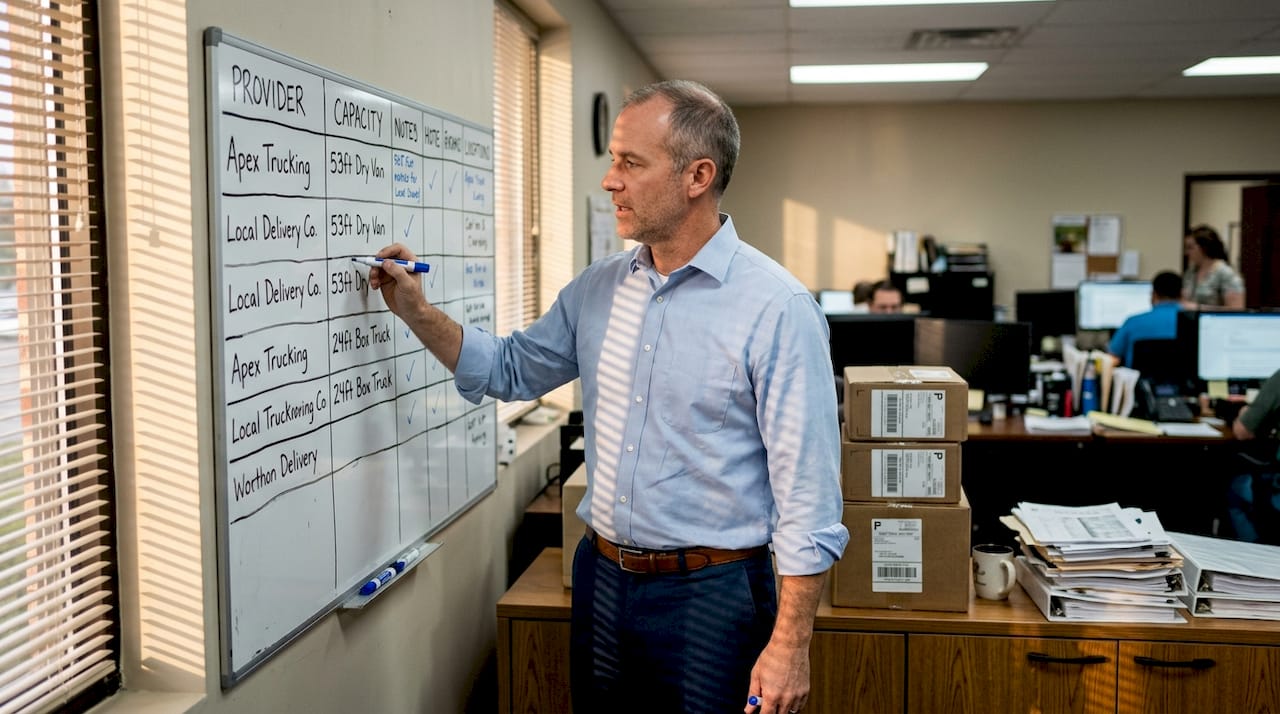
Start by comparing vehicle types against your event goals:
| Vehicle type | Best for | Capacity | Key advantage |
|---|---|---|---|
| Sprinter van | Small groups, airport runs | Up to 14 | Flexible, easy to park |
| Mini bus | Mid-size groups, wine tours | 20 to 35 | Comfortable, cost-effective |
| Charter coach | Large conferences, weddings | 40 to 55+ | Maximum capacity, amenities |
| Party bus | Celebrations, concerts | 20 to 50 | Entertainment features |
| Limousine | VIP transfers, small groups | Up to 14 | Luxury, prestige |
Here’s how to evaluate providers before you commit:
- Confirm the provider holds a valid operating license and carries appropriate insurance for commercial passenger transport.
- Ask specifically about their experience with your event type and venue location.
- Check for real reviews that mention punctuality, driver professionalism, and vehicle cleanliness.
- Verify their cancellation and rescheduling policy in writing before signing anything.
- Ask how they handle traffic delays or vehicle breakdowns on event day.
For events in wine country, wine tour transportation providers with Napa and Sonoma experience know which roads get congested on weekends and which venues have restricted access. That local knowledge is worth more than a slightly lower quote from a provider based outside the region.
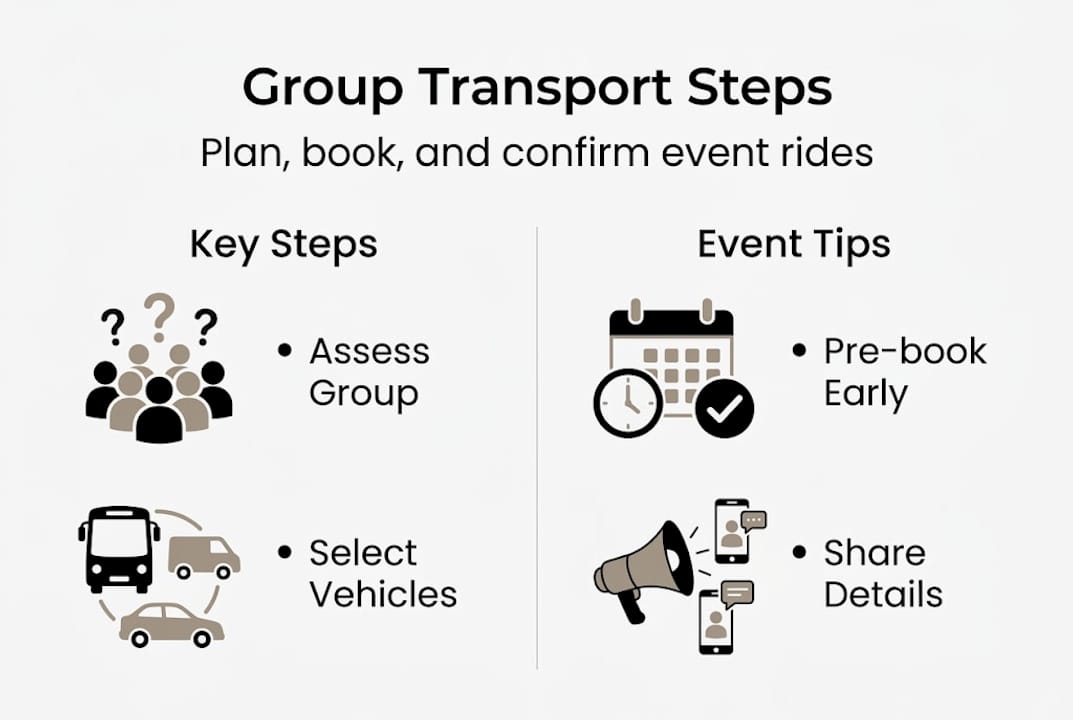
Pre-booking is essential in the Bay Area to avoid shortages, especially during mega-events like Dreamforce or the Super Bowl. If your event overlaps with any major convention or sporting event, your vehicle options shrink fast. For city-based events, exploring San Francisco chauffeur options early gives you the best selection and pricing.
Pro Tip: Always request a written quote that itemizes gratuity, fuel surcharges, and overtime fees. Surprises on the final invoice are one of the most common complaints from event planners.
Book, coordinate, and communicate with your group
Once you’ve selected your provider, the work shifts to logistics and communication. This phase is where events either come together smoothly or start to fray.
Follow this booking and coordination sequence:
- Reserve early. Securing a reservation early is crucial during peak times due to limited vehicle supply in the Bay Area. Aim for at least 60 to 90 days out for standard events, and 4 to 6 months for anything overlapping a major Bay Area happening.
- Confirm all details in writing. This includes pickup and drop-off addresses, scheduled times, passenger count, and any special requests.
- Map every stop. For multi-venue events, create a clear route document and share it with your driver contact and your venue coordinators.
- Build in buffer time. Add 15 to 20 minutes to every leg of the trip to absorb unexpected delays.
- Assign a point of contact. One person on your team should own all driver communication on event day.
For attendee communication, keep it simple and repeat it often:
- Send a transportation brief at least one week before the event.
- Include exact pickup location with a map link, not just an address.
- Specify boarding time versus departure time. Guests often confuse the two.
- Send a day-of reminder with the driver’s name and contact number.
- Post clear signage at pickup points, especially for large venues.
“The biggest communication failure we see is planners assuming guests will figure it out. They won’t. Over-communicate every detail, every time.”
For special event transport tips that go beyond the basics, or if you’re managing a large corporate group requiring San Jose chauffeur coordination, having a dedicated logistics contact on the provider side makes a measurable difference.
Verify, troubleshoot, and ensure a smooth experience
With logistics set, attention turns to follow-through. The 48 hours before your event are when most problems surface, and catching them early keeps them from becoming crises.
Run through this pre-event verification checklist:
- Reconfirm booking details with your provider at least 48 hours before the event.
- Verify the driver’s name, cell number, and vehicle plate or description.
- Double-check pickup times against your final event schedule.
- Confirm that any special accommodations (ADA ramps, luggage space, onboard amenities) are in place.
- Share the final guest count and any last-minute route changes in writing.
The San Francisco Meeting Planner’s Guide offers troubleshooting frameworks for common event transport issues, and many of those scenarios apply across Northern California. The most frequent problems are late arrivals, wrong pickup locations, and miscommunicated return times. All three are preventable with clear documentation.
Pro Tip: Create a one-page event day transport sheet with every vehicle, driver contact, pickup time, and drop-off address. Print copies and share it digitally. When things get hectic, a single reference document saves everyone time.
For events involving flights, airport transfer planning requires real-time flight tracking built into your coordination plan. For corporate groups, business travel transport often involves multiple vehicles and staggered arrivals, which makes that single point of contact even more critical.
After the event, gather quick feedback from attendees and your internal team. A simple three-question survey about punctuality, comfort, and overall experience gives you the data to improve every future booking.
What most event planners overlook in group transportation
Here’s something the standard planning guides won’t tell you: the planners who struggle most with group transportation are usually the ones who focused entirely on price. They found the lowest quote, confirmed the booking, and assumed the rest would work itself out. It rarely does.
The real risk isn’t the vehicle. It’s the provider’s responsiveness when something goes wrong. A driver who doesn’t answer calls, a dispatcher who can’t reroute around a freeway closure, a company with no backup vehicle on standby. These are the failures that turn a minor hiccup into an event-defining disaster.
We’ve seen situations where a last-minute vehicle breakdown was resolved in under 30 minutes because the provider had a backup unit nearby and a dispatcher actively monitoring the route. That kind of operational depth doesn’t show up in a price comparison.
Over-communicating with your group is also something most planners underestimate. Guests who feel informed stay calm. Guests who are confused create noise at exactly the wrong moment. Invest in timely coordination and treat your attendees like they need more information than you think they do. Because they do.
Streamline your group transportation with professional support
You’ve done the planning work. Now the last 10% is about execution, and that’s where having the right partner changes everything.
Party Bus Broker connects event planners across Northern California with licensed, insured transportation providers who know the region’s roads, regulations, and event-day demands. Whether you need event transportation solutions for a corporate conference, group shuttle services for a wine country celebration, or a luxury limousine booking for a VIP experience, we match you with the right vehicle and operator for your specific event. Our team handles the coordination so you can focus on delivering an exceptional event for your guests.
Frequently asked questions
How early should I book group transportation for major Bay Area events?
Book at least 4 to 6 months in advance for events overlapping large Bay Area gatherings, since vehicle availability drops sharply during mega-events like Dreamforce or the Super Bowl. For standard events, 60 to 90 days is a solid minimum.
What size vehicle is best for different group sizes?
Choose a sprinter van or limo for groups under 20, a mini bus for 20 to 40 guests, and a charter coach or shuttle fleet for groups of 40 or more. Group headcount is the primary factor in determining the right vehicle configuration.
Are there special transportation regulations for San Francisco events?
Yes. San Francisco events require coordination with SFMTA guidelines, and certain zones restrict commercial vehicle access during peak hours. Consult SFMTA and the official meeting planner’s guide before finalizing your logistics plan.
How do I communicate complex transportation plans to my attendees?
Send a detailed transportation brief at least one week before the event, include map links for pickup locations, and follow up with a day-of reminder that includes the driver’s name and contact number. Clear signage at boarding points eliminates most last-minute confusion.
What can I do if transportation issues arise on event day?
Have backup vehicle contacts ready, know your provider’s cancellation and rebooking policy, and notify attendees immediately with updated instructions. Troubleshooting tips from the San Francisco Meeting Planner’s Guide cover the most common event day scenarios and how to resolve them quickly.